Switch Ad Agencies, Lose All Your Optimization Data – How to Break This Cycle
Digital Marketing
A familiar situation: a business hires an ad agency, runs campaigns for a few months, performance starts to stabilize – then for some reason (pricing, service, agency staff turnover) decides to switch to a different agency. A few weeks into the new agency, cost per lead suddenly spikes, lead quality drops noticeably, and nobody can quite explain why an “identical” campaign is performing so much worse. The answer usually isn’t that the new agency is doing a worse job – it’s that months of accumulated optimization data stayed behind with the old agency.

Why “switching agencies” usually means “losing your optimization data”
Ad algorithms need time to learn – they observe thousands of impressions, clicks, and conversions to gradually understand which audiences actually respond well to your product. This process is called the “learning phase,” and its output – a finely tuned audience, lookalike data, conversion history – doesn’t live in the “campaign” the way many people assume. It lives in the ad account and pixel that collected that data over time.
The problem is: most agencies run ads under their own Business Manager account, not the client’s. When the contract ends, the agency keeps that entire Business Manager – and with it, everything the algorithm learned. Switching to a new agency effectively means starting a brand-new ad account, with the algorithm learning from zero, with no “memory” of which audiences converted well in the past.
Who actually owns your ad data?
This is a question many businesses never ask until it’s too late. Owning the ad account isn’t just a legal formality – it determines whether optimization data travels with the business or stays with the agency. A Business Manager account registered under the business’s own name, with access granted to the agency to run campaigns (rather than the agency creating and holding the account), ensures that no matter how many times agencies change, the pixel, conversion history, and learned audiences remain the business’s own – not locked to any particular partner.
But owning the ad account only solves half the problem. The other half is a deeper question: is the data about who actually bought – not just who clicked – stored somewhere independent of both the agency and the ad platform?
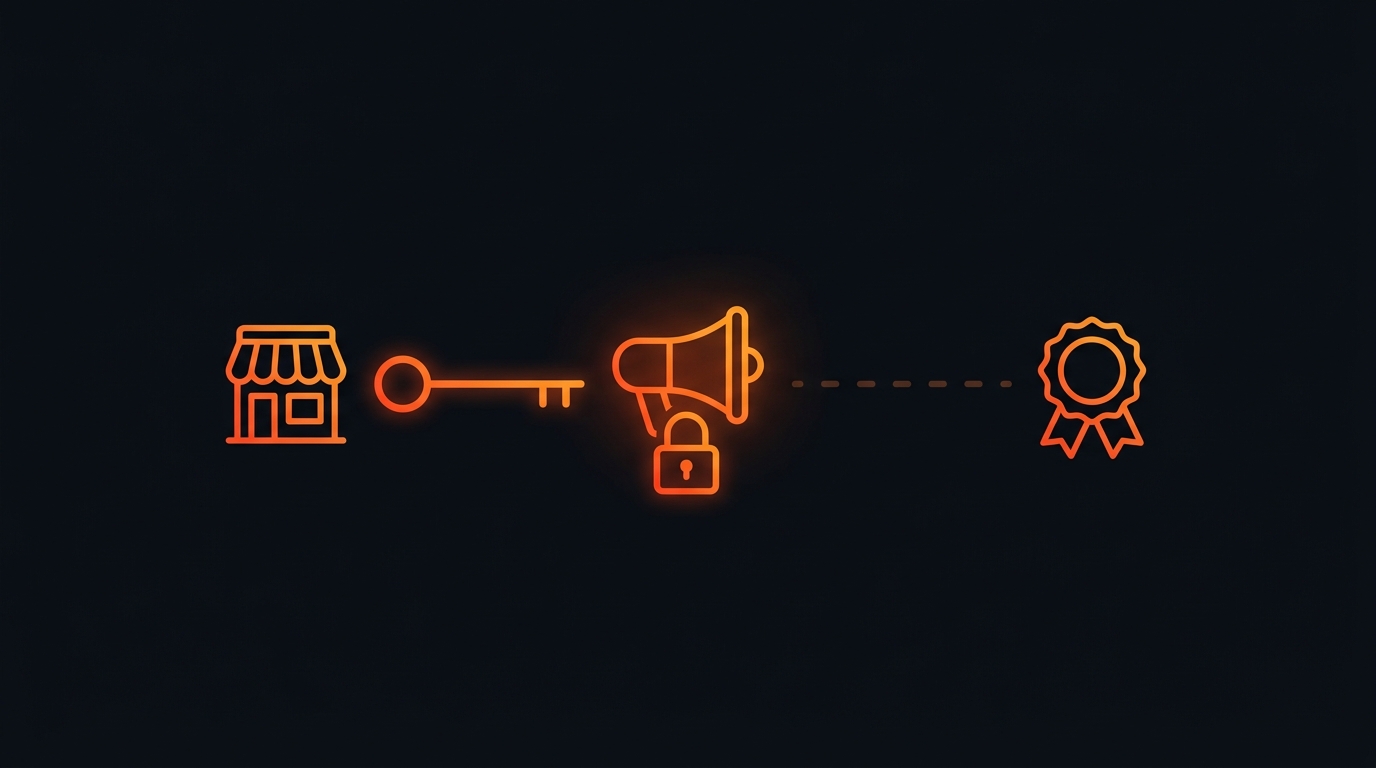
The expensive cycle: every agency switch means starting over
When real conversion data – orders, signed contracts – only exists in the old agency’s internal reports, usually their own spreadsheets or dashboards, that entire body of knowledge disappears the moment the contract ends. The new agency has to rediscover it from scratch: which channel works, which audience converts, which message resonates – questions that would already have answers if the data had been kept independently. This is a quiet cycle that erodes budget: every time a business changes marketing partners, it pays to relearn lessons it already paid to learn once before.
How to break out of this cycle
The fix isn’t finding an agency that “promises to stay forever” – it’s separating optimization data from any specific agency from the start. This is exactly how R HUB designed its Digital Marketing Agency product: running ads on an account the business itself owns, and more importantly, connecting directly to the business’s existing Lead Data Platform and CRM – where the full history of leads, conversion journeys, and real order data is stored, entirely independent of who happens to be running the ads at any given moment.
When the data on “who actually bought” lives in the business’s own system – as covered in R HUB’s earlier piece on Facebook CAPI – then even if the team running ads changes, the data source feeding optimization signals back to the ad platform stays intact. The new agency doesn’t have to rediscover everything from scratch – they inherit an ad account with real history, connected to a continuously maintained source of real conversion data, and can keep optimizing from where things left off instead of relearning from zero.
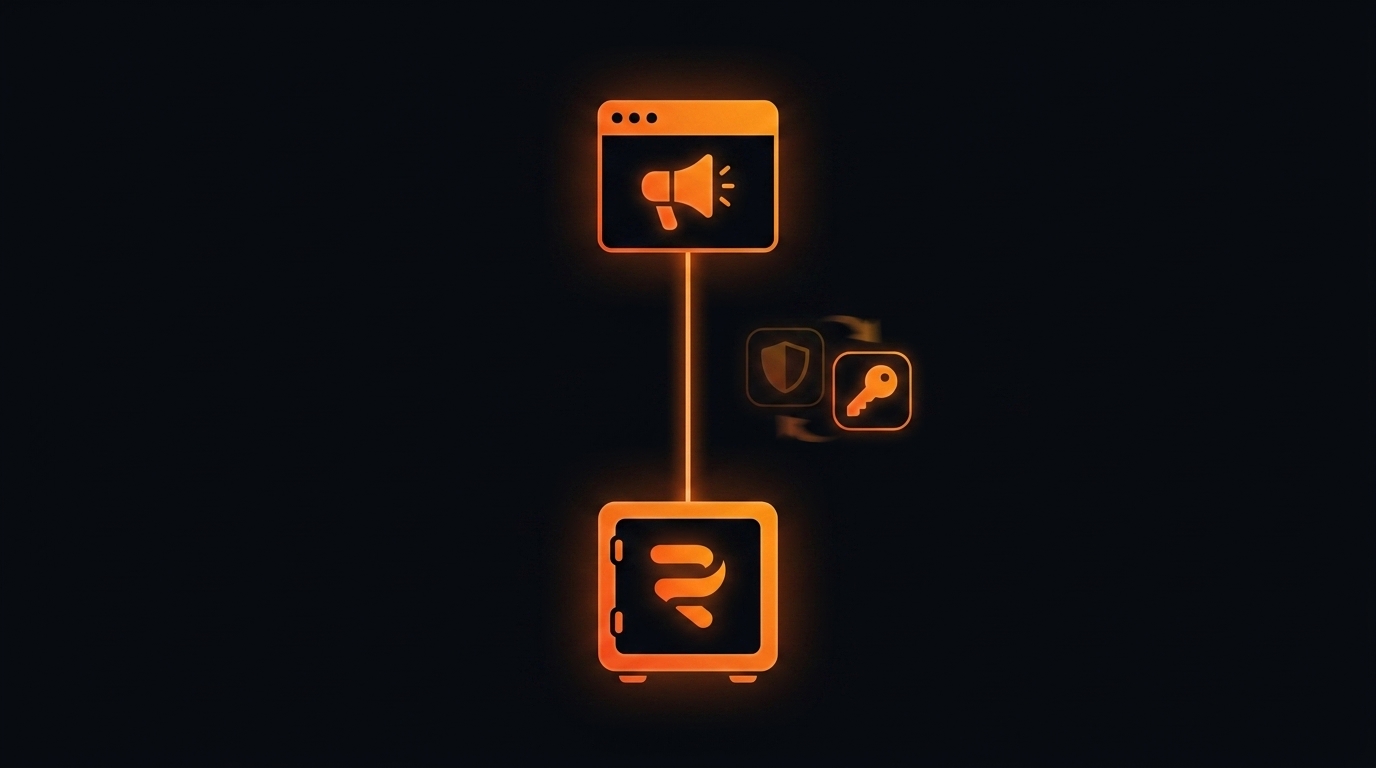
At its core, this is the difference between hiring an agency that “keeps your optimization memory hostage,” and owning that memory yourself – then hiring whoever you want to run it.
If you ended your current agency relationship tomorrow, would your ad optimization data travel with your business? Book a free 30-minute consultation with R HUB to see how to build a data layer that doesn’t depend on any single agency.
Related articles
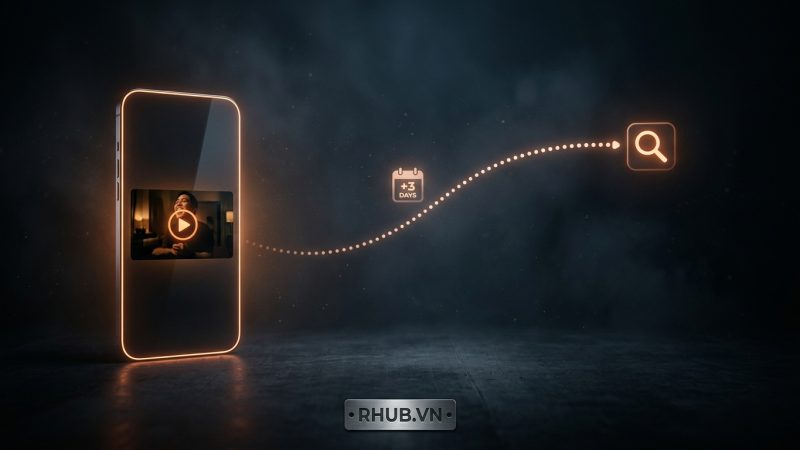
TikTok Ads and the Challenge of Tracking Conversions That Happen Days Later, Somewhere Else
A customer watches a full TikTok video but converts three days later through a different channel - if you only…
Read more
Tracking Referred Customers: Why the Most Effective Channel Is Usually the Most Undervalued
Referred customers convert higher and cost less, but this channel is the most likely to be tracked incorrectly. See why…
Read more
Google Ads Enhanced Conversions and Offline Conversion Import: Sending Real Order Data Back to Optimize Correctly
Google Ads only knows who filled out a form, not who actually paid. See how Enhanced Conversions and Offline Conversion…
Read moreStart with a conversation.
Tell us the real problem you're facing. In 30 minutes, you'll know your next move - even if that move isn't us.
Book a free consultation