What Is Multi-Touch Attribution, and Why Most Vietnamese Businesses Get It Wrong
Digital Marketing
Ask any marketing team “which channel is bringing in the most customers” and the answer usually comes straight from whichever ad platform the customer touched last before filling out a form. The problem: that customer may have seen a Facebook ad two weeks earlier, searched the brand name on Google a week later, then messaged on Zalo and left a phone number. If only the last touchpoint gets credit, the first two steps – the ones that actually built awareness and consideration – disappear from the report entirely.

Last-click attribution: the default model, and it’s misleading
Most ad tools, and Google Analytics by default, use a “last-click” model – all the credit (and the budget deemed “effective”) flows to whichever channel appeared right before the conversion happened. This is the default because it’s simple to calculate, not because it reflects reality. The result: channels doing the “seeding” work – brand-awareness ads, educational content, trust-building social posts – are consistently undervalued, while the channel showing up at the final step (often a branded search, where the customer had already decided to buy) gets credited far beyond its actual contribution.
How many touchpoints does a real customer actually pass through?
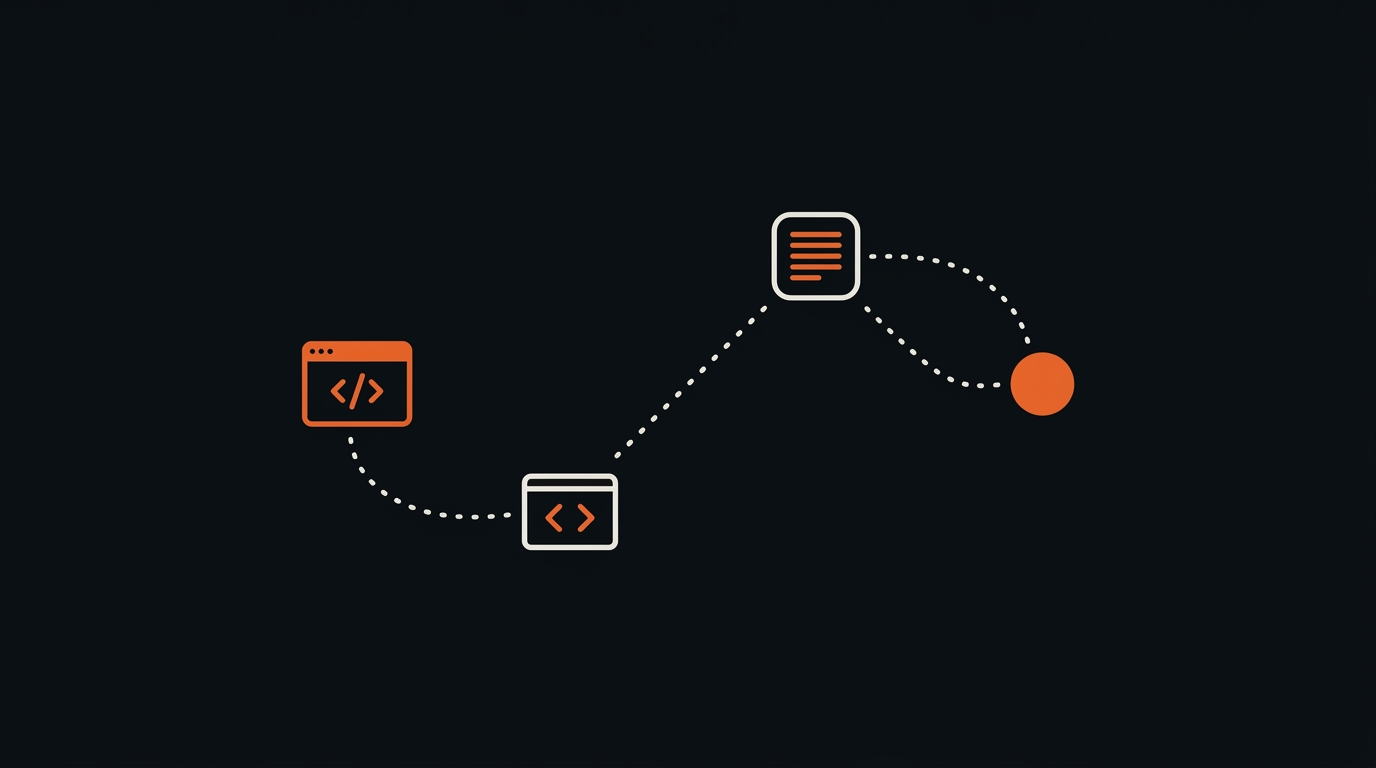
For high-value products or long decision cycles – real estate, education, B2B services – the customer journey rarely has just one touchpoint. Someone might scroll past a Facebook ad without clicking but remember the brand name; search on Google a few days later to read more; message on Zalo asking for specifics; and finally call directly to book a consultation. Measured by last-click, all the credit goes to “direct phone call” – a channel that cost zero ad budget – while the Facebook ad that quietly kicked off the entire journey gets labeled “ineffective” and risks having its budget cut.
What multi-touch attribution actually is
Multi-touch attribution is a measurement approach that distributes credit across multiple touchpoints in the customer journey instead of concentrating it all on one. Several attribution models exist: a linear model splits credit evenly across every touchpoint; a time-decay model weights touchpoints closer to conversion more heavily while still crediting earlier ones; a position-based model gives most of the credit to the first touchpoint (awareness) and the last touchpoint (decision), splitting the remainder among the steps in between. No single model is “objectively correct” – the right choice depends on what the business is optimizing for: brand awareness or immediate conversion.

Why most Vietnamese businesses get this wrong
Measuring multi-touch attribution correctly requires one precondition: recognizing that the same customer is behind every touchpoint, whether they interacted via Facebook, Google, Zalo, or a direct phone call. This is exactly where most businesses in Vietnam struggle, for two specific reasons. First, conversion via Zalo and direct phone calls runs very high in many industries – but both channels are hard to tie back to the original ad data without a system tracking phone numbers or a persistent customer identifier. Second, data from each ad platform (Facebook Ads Manager, Google Ads, Zalo OA statistics) sits siloed in its own separate system, with nothing unifying it by individual customer. Without that unification, “multi-touch attribution” is just a theoretical concept – there’s no real data to calculate it from.
What it takes to measure it correctly: one unified customer data source
To measure multi-touch attribution meaningfully, a business needs a central data layer that records every touchpoint of the same customer – regardless of which platform it came from – and stitches them into a single journey. This is exactly the role of R HUB’s Lead Data Platform: pulling data from Facebook, Google, Zalo, the website, and collaborators into one place, tied to the same customer across the entire journey, instead of leaving each channel holding a fragmented piece of the picture. Once the journey is stitched together inside the CRM, a business finally has real data to apply an attribution model to – knowing exactly which ad kicked off the journey, which channel sustained interest, and which step actually drove the purchase decision, instead of only seeing the final step the way last-click does.
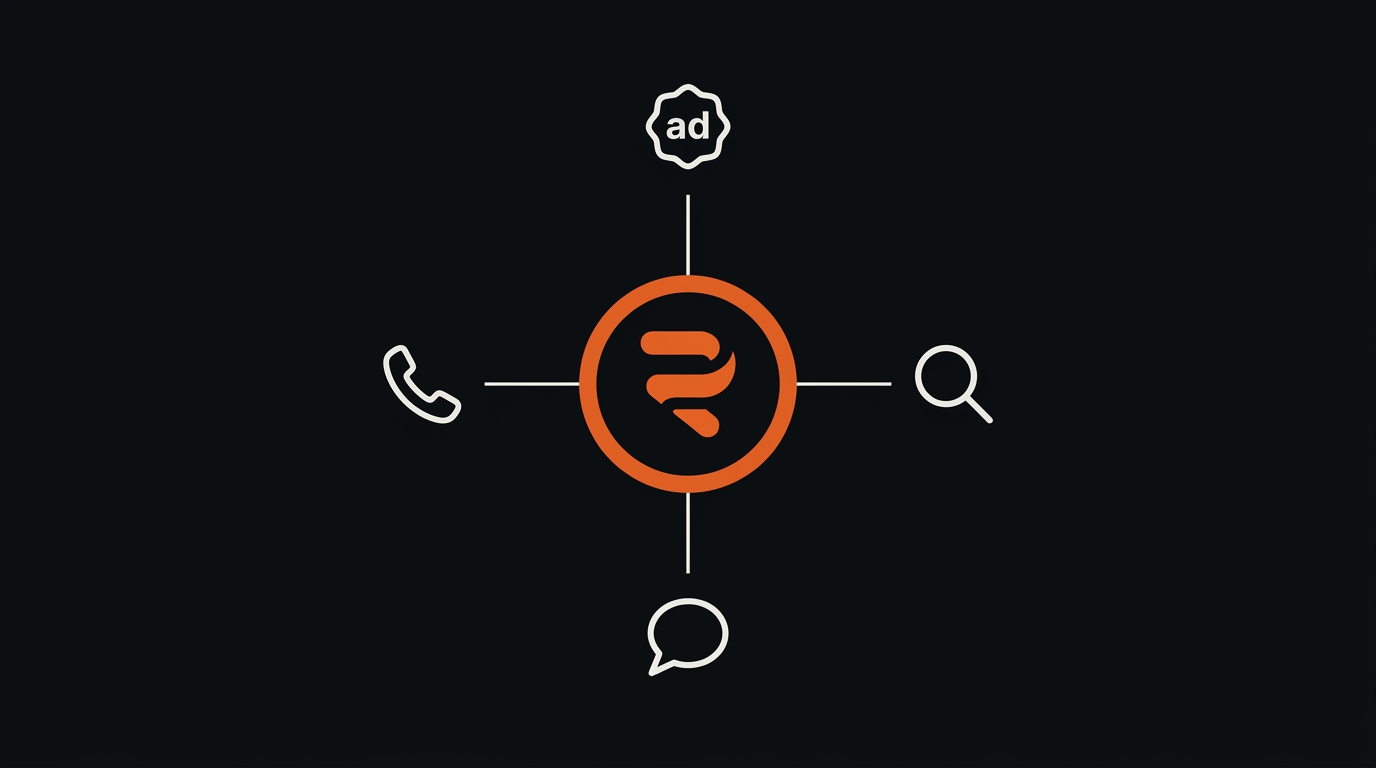
Combined with the signal-feedback mechanism covered in R HUB’s earlier piece on Facebook CAPI, a unified customer data source doesn’t just measure attribution correctly – it lets every ad platform learn from the real conversion journey itself, not just the final touchpoint.
Right now, which channel is your ad reporting crediting – the one that kicked off the journey, or just the one that showed up last? Book a free 30-minute consultation with R HUB to see how unifying customer data lets you measure each channel’s real contribution.
Related articles

TikTok Ads and the Challenge of Tracking Conversions That Happen Days Later, Somewhere Else
A customer watches a full TikTok video but converts three days later through a different channel - if you only…
Read more
Tracking Referred Customers: Why the Most Effective Channel Is Usually the Most Undervalued
Referred customers convert higher and cost less, but this channel is the most likely to be tracked incorrectly. See why…
Read more
Google Ads Enhanced Conversions and Offline Conversion Import: Sending Real Order Data Back to Optimize Correctly
Google Ads only knows who filled out a form, not who actually paid. See how Enhanced Conversions and Offline Conversion…
Read moreStart with a conversation.
Tell us the real problem you're facing. In 30 minutes, you'll know your next move - even if that move isn't us.
Book a free consultation