What Makes a Real Estate CRM Different From Generic CRM – and Why This Industry Needs Its Own System
Real Estate
Plenty of real estate businesses have tried a popular off-the-shelf CRM, only to drift back to Excel and Zalo a few months later because the software “didn’t match how we actually work.” The problem isn’t software quality – it’s that generic CRM is built for a sales model that looks nothing like how a real estate transaction actually unfolds.

Generic CRM is built for a simple sales process
Most popular CRM tools model selling as a straight line: lead → qualify → proposal → won/lost. That fits B2B software sales or simple retail, where each “deal” is an independent opportunity moving through stages. But a real estate transaction isn’t just a “deal” – it’s tied to a specific product (an apartment, a lot, a project), involves a deposit, follows a payment schedule tied to construction progress, and often involves multiple intermediaries at once. Forcing this into a CRM that only understands “deal” as a flat record will always leave something out.
Real estate isn’t just about customers – it’s also about a product that needs its own tracking
A generic CRM tracks customers and sales opportunities. But a real estate business also needs to track the product itself: which unit is still available, which is being held, which is locked for negotiation, which has sold – all updated in real time so two salespeople don’t pitch the same unit to two different buyers. This is a data layer generic CRM has no equivalent for, because it’s built to sell “opportunities,” not “inventory with status.”
On top of that is a multi-tier network of collaborators and agents, each tier with a different commission rate – a structure that barely exists in CRMs built for simple internal sales teams.

A transaction moves through stages that generic CRM doesn’t model
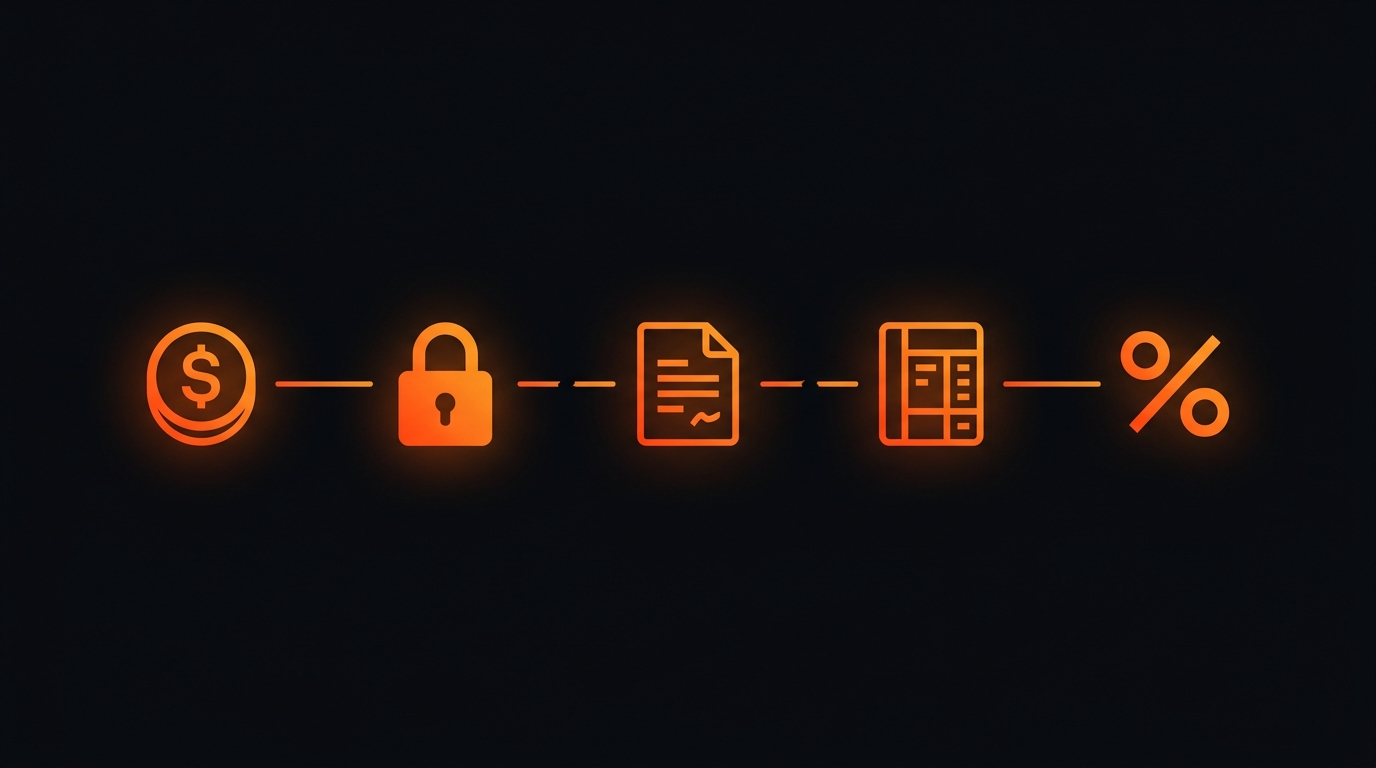
Deposits, unit locking, contract signing, debt tracking, commission calculated per payment milestone – these are real-estate-specific steps that a generic CRM doesn’t handle. The result: businesses bolt on outside tools – deposits logged over Zalo, contracts drafted in Word, debt tracked in Excel. Each tool lives in its own place, owned by a different person – and one wrong entry anywhere along the chain can affect the whole contract.
From pre-sale to post-sale – one system, not scattered pieces
This is why R HUB built its Real Estate CRM as its own system, not a generic CRM with extra customization bolted on. Pre-sale: gather leads from Facebook, Zalo, and the website into one place, automatically classified and routed to the right person. During sale: digitize the entire process of holding, locking, deposit approval, debt, and commission management. Post-sale: automatic payment reminders, ticket intake and resolution. Team: standardized training materials, automated onboarding for the agent network. And all of this data flows into one place, giving leadership real-time, per-project reporting instead of manually reconciling numbers from multiple sources at month-end.

A system designed the way real estate actually operates – not a generic CRM forced to fit.
How many disconnected tools is your business using to manage real estate transactions right now? Book a free 30-minute consultation with R HUB to see how one unified system can change that.

Start with a conversation.
Tell us the real problem you're facing. In 30 minutes, you'll know your next move - even if that move isn't us.
Book a free consultation